
NC Tick Foundation — North Carolina's Trusted Tick Resource
Bitten by a Tick?
Here's What to Do.
Clear, step-by-step guidance for North Carolina residents. Know what to do immediately after a tick bite, how to identify ticks, and when to seek medical care.
Tick bite? Don’t panic.
Remove it safely, save it, and know when to seek care.
Essential Resources
Everything you need to know about ticks in North Carolina, organized into three clear guides.
01 — Tick Bite Protocol
What To Do After a Tick Bite
Step-by-step instructions for safe tick removal, wound care, and monitoring for symptoms of tick-borne illness.
02 — Identification Guide
Identify the Tick That Bit You
Distinguish between common NC tick species — blacklegged, American dog, lone star, and brown dog ticks — and diseases each may carry.
03— When to Get Care
When to Call A Doctor
Learn which symptoms need medical care and when to reach out for help.
04 — Disease Information
Common Tick Diseases in North Carolina
Understand symptoms, timelines, and treatments for Lyme disease, Rocky Mountain spotted fever, ehrlichiosis, and other tick-borne illnesses.
Tick Bite Prevention Tips
Ticks can be active in North Carolina most of the year. A few simple steps can help lower your risk before and after you spend time outside.
Tick Bite Prevention
Small Steps Can Lower Your Risk
Use repellent, cover your skin when possible, and check for ticks when you come back inside. Small habits can help protect you, your family, and your pets.
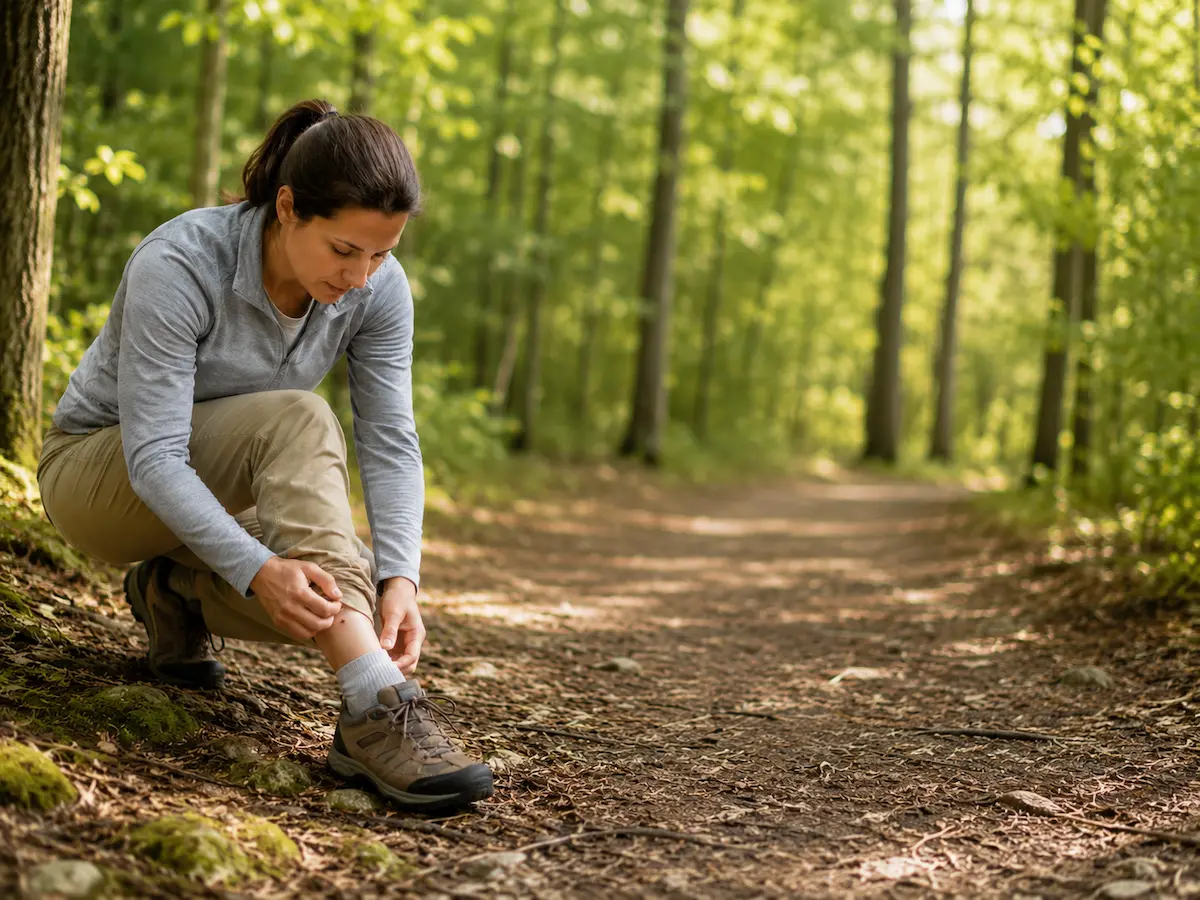
Wear Protective Clothing
Wear light-colored, long-sleeved shirts and pants in wooded areas. Tuck pants into socks.
Use Tick Repellent
Apply DEET, picaridin, or IR3535-based repellents. Permethrin-treated clothing provides long-lasting protection.
Do a Full Body Check
Check all body areas within two hours of outdoor activity, including the hairline, behind ears, armpits, and groin.
Check Kids and Pets
Ticks can hide on kids and pets. Check them after outdoor time.
Shower After Being Outside
Showering within two hours of coming indoors reduces risk of Lyme disease and washes off unattached ticks.
About NC Tick Foundation
Protecting North Carolinians from Tick-Borne Disease
Free Tick Education for North Carolina
NC Tick Foundation provides free, science-based tick education for people across North Carolina. Our goal is to make tick safety easier to understand, from prevention to tick bites to symptoms that need care.
- NC-Focused since 2005
- Free Educational Resources
- Simple guidance for families and communities
- Resources in English and Spanish
Stay Tick-Safe in
North Carolina
Get seasonal tick tips, prevention reminders, and new resources from NC Tick Foundation.
FORM HERE
No Spam. Just helpful tick safety information.
Quick Answers About Tick Safety
Not sure where to start? These answers can help you find the right guide.
Need help finding the right guide?
Start with the question that fits your situation. If you still are not sure, contact NC Tick Foundation and we can help point you toward the right resource.
Common Questions
How do I remove a tick safely?
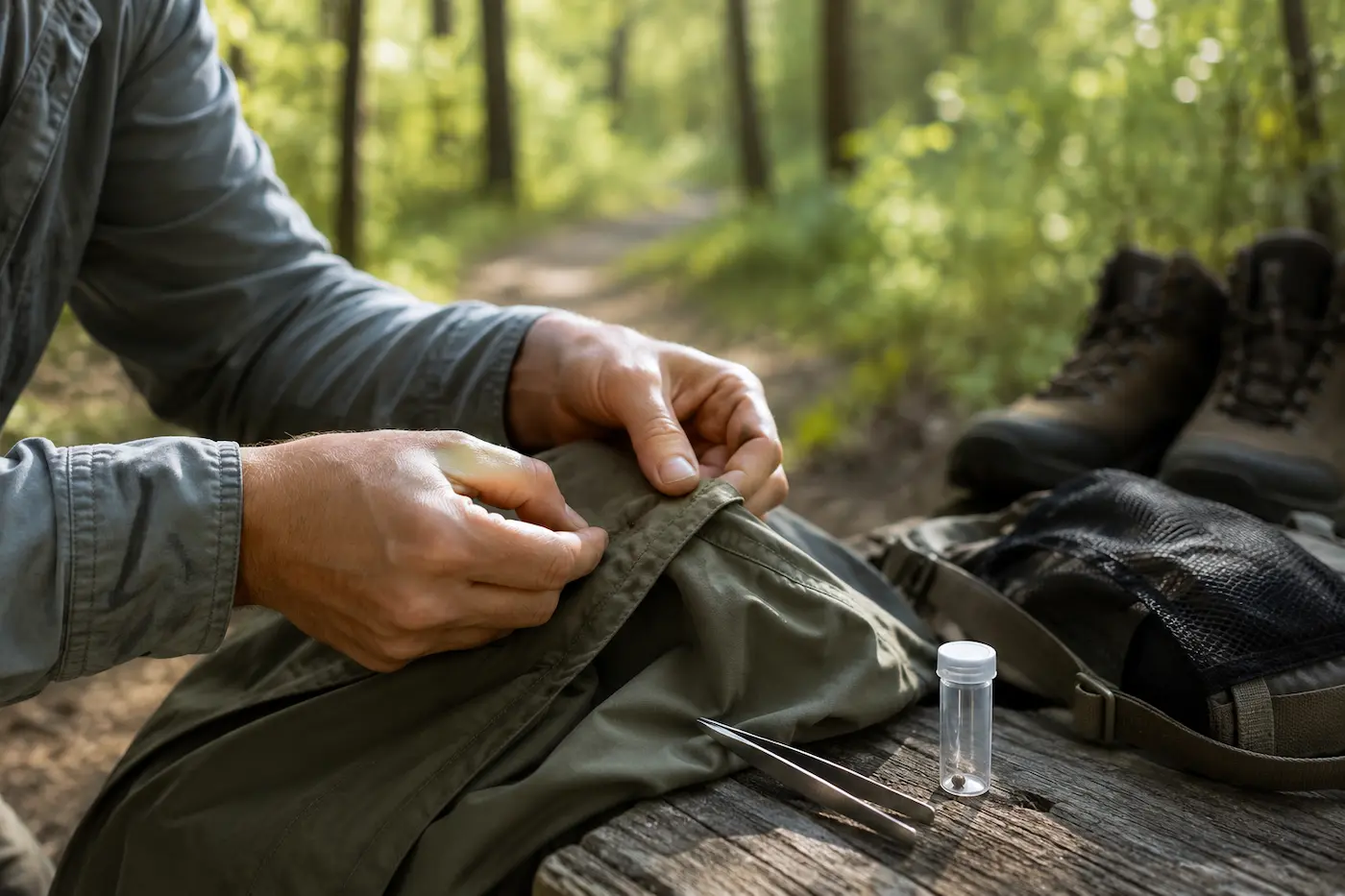
Use fine-tipped tweezers to grab the tick as close to the skin as you can. Pull straight up with steady pressure. After the tick is removed, clean the bite area with soap and water or rubbing alcohol.
For step-by-step help, visit Remove a Tick.
What should I do after a tick bite?
After a tick bite, clean the area and save the tick in a small bag or container if you can. Watch for symptoms over the next few days and weeks, including fever, rash, headache, body aches, or feeling very tired.
For more guidance, visit Tick Bite Help.
Can you help me identify a tick?
A clear photo can help you compare the tick’s size, color, shape, and markings. Different ticks can carry different risks, so identification can help you know what to watch for.
To get started, visit Identify a Tick.
When should I call the doctor?
Call a doctor if you get a fever, rash, headache, body aches, or feel very tired after a tick bite. You should also call if the bite area gets worse or you are worried about your symptoms.
Learn more at When to Call a Doctor.
What can I do to prevent tick bites?
You can lower your risk by using tick repellent, wearing protective clothing, staying out of tall grass, checking your body after outdoor time, and showering after coming inside.
See more tips at Tick Bite Prevention.
Should I save the tick after removing it?
Yes, if you can. Place the tick in a small bag or container and write down the date you found it. A clear photo may also help. Saving the tick can make it easier to identify later if you need more information.
Learn more at Tick Bite Help.
What if I still have questions?
If you are not sure where to start, reach out to NC Tick Foundation. We can help point you toward the right resource.
Visit Contact Us.